
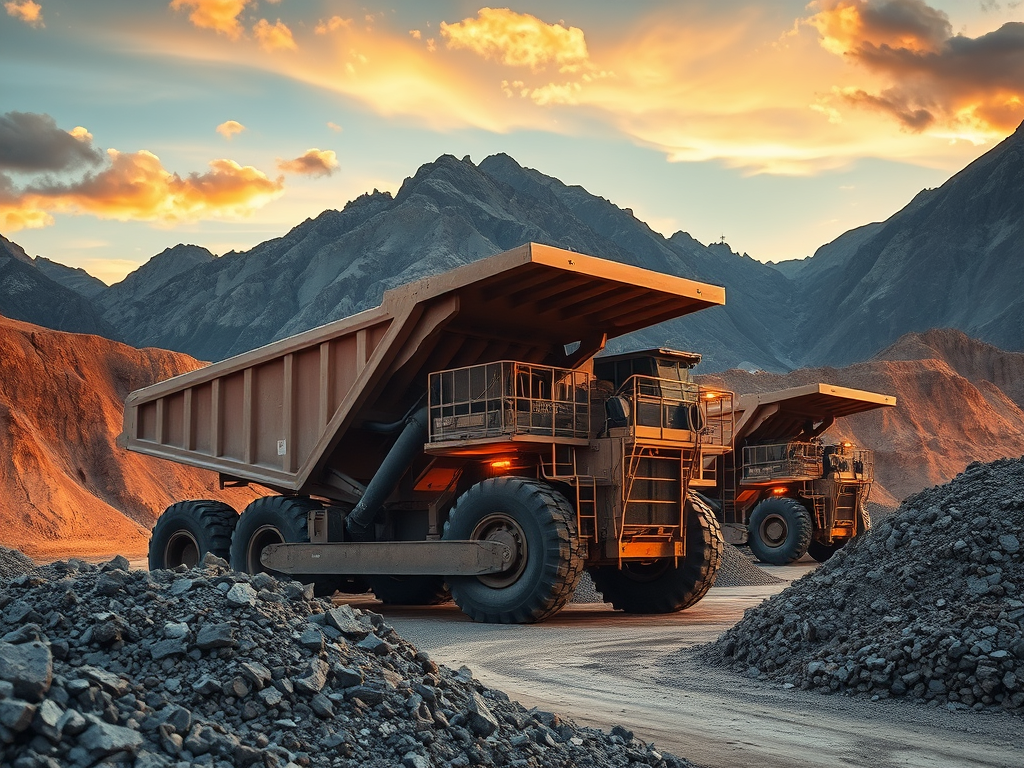
In 2025, global tungsten prices have surged to record highs, driven by China’s implementation of export controls and supply tightening measures. As the dominant global producer of tungsten, China’s regulatory shift has triggered significant disruptions across various industries worldwide.
China Tightens Control Over Tungsten Exports
At the start of the year, Chinese authorities introduced a new licensing regime for the export of key strategic minerals, including tungsten. This move effectively limited the outflow of raw tungsten and tungsten-related products. Although not an outright export ban, the policy has led to administrative delays and a sharp decline in actual export volume.
Additionally, domestic production quotas for tungsten mining were reduced. Combined with stricter environmental regulations, many mines and processing plants faced operational challenges, causing a drop in output. The result has been a notable contraction in global tungsten supply.
Price Surge and Market Disruption
The supply squeeze has led to sharp price increases. Tungsten powder, ferrotungsten, and ammonium paratungstate (APT) prices have all risen significantly in recent months. In many cases, prices have reached their highest levels in over a decade.
At the same time, demand from industries such as aerospace, electronics, defense, and automotive manufacturing remains robust. Tungsten’s unique properties—high melting point, exceptional density, and hardness—make it indispensable in high-performance and heat-resistant applications.
However, downstream manufacturers now face higher input costs, longer lead times, and uncertainties in procurement. Some buyers have begun stockpiling materials, while others delay orders in hopes of price stabilization.
Global Reactions and Strategic Shifts
Countries that depend heavily on tungsten imports are reassessing their supply chain strategies. Several nations are accelerating investments in domestic mining projects and recycling technologies. There’s also a renewed push to diversify sourcing by developing tungsten reserves in regions outside of China.
In the manufacturing sector, some companies are exploring material substitution where technically feasible, though alternatives often come with performance trade-offs.
Market Outlook
In the short term, tungsten prices are expected to remain elevated due to constrained supply and continued policy uncertainty. Buyers are likely to encounter tight inventory conditions and rising costs across the supply chain.
Over the medium to long term, market stabilization will depend on whether alternative sources can be developed, how quickly new production comes online, and whether export policies in major producing countries ease.
As strategic competition over critical minerals intensifies globally, tungsten will remain a key battleground resource. Businesses that rely on tungsten are advised to secure reliable partnerships, optimize procurement planning, and explore opportunities for innovation and substitution where possible.
For high-purity tungsten products and custom solutions, contact our sales team at sales@niticu.com or visit www.niticu.com.y will be a critical factor influencing the tungsten industry’s trajectory in the coming years.
