
🔹 What Are the Different Types of Aluminum?
Aluminum is one of the most versatile metals in the modern world, widely used across aerospace, automotive, packaging, architecture, and electronics. However, not all aluminum is the same. The metal is classified into various grades and series based on its alloy composition and temper. Understanding the types of aluminum helps manufacturers, engineers, and buyers choose the right material for their specific applications.
In this article, we explore seven of the most popular aluminum grades, their properties, typical uses, and how to select the ideal alloy for your needs.
📌 1. 1000 Series – Commercially Pure Aluminum (e.g., 1050, 1060, 1100)
Focus Keyword Usage: Types of Aluminum
This series includes the highest purity aluminum available (99% and above). Grades like 1060 and 1100 are known for their excellent corrosion resistance, high thermal conductivity, and superior workability.
- Key Features:
- Purity: ≥99%
- Excellent corrosion resistance
- High ductility and formability
- Non-heat-treatable
- Common Uses:
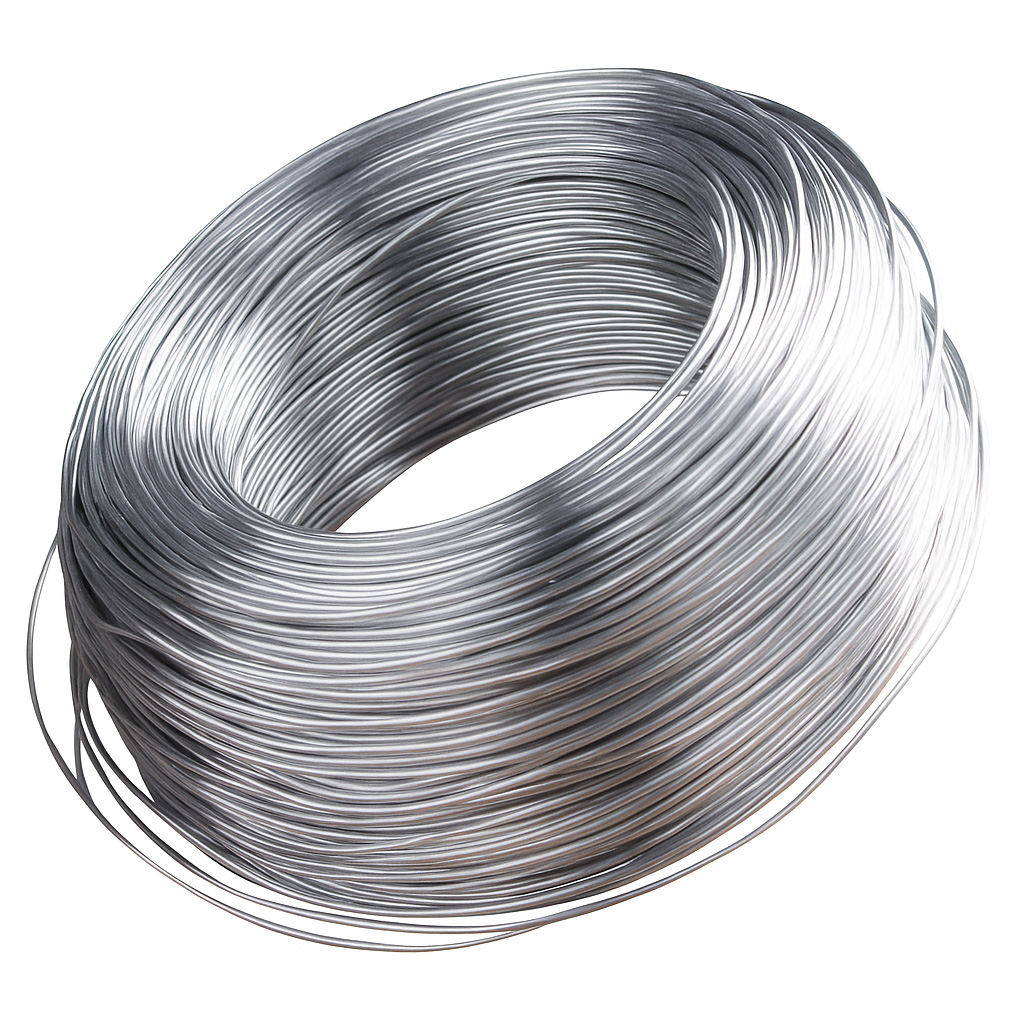
- Electrical conductors (e.g., 1060 aluminum wire)
- Kitchen utensils
- Decorative panels
- Food and chemical handling equipment
This grade is ideal where strength is less critical but corrosion resistance is paramount.
📊 2. 2000 Series – Aluminum-Copper Alloys (e.g., 2024)
Secondary Keyword Usage: Aluminum Grades
The 2000 series introduces copper as the primary alloying element. 2024 is a high-strength aluminum used in aerospace and structural applications where fatigue resistance matters.
- Key Features:
- High strength-to-weight ratio
- Moderate corrosion resistance
- Heat-treatable
- Common Uses:
- Aircraft structures
- Truck frames
- Aerospace fittings
However, it requires protective coatings due to lower corrosion resistance than other grades.
✨ 3. 3000 Series – Aluminum-Manganese Alloys (e.g., 3003, 3105)
This family is known for good formability and moderate strength. 3003 is one of the most widely used alloys for general applications.
- Key Features:
- Good corrosion resistance
- Non-heat-treatable
- Good weldability
- Common Uses:
- Roofing sheets
- Cooking utensils
- Garage doors
The 3000 series strikes a balance between cost and performance.
🏢 4. 5000 Series – Aluminum-Magnesium Alloys (e.g., 5052, 5083)
The 5000 series is a workhorse in marine, automotive, and architectural applications due to its exceptional corrosion resistance.
- Key Features:
- Excellent weldability
- High fatigue strength
- Moderate to high strength
- Common Uses:
- Ship hulls
- Fuel tanks
- Pressure vessels
- Highway signs
Alloy 5052 is especially popular for its toughness and resistance to saltwater environments.
⚖️ 5. 6000 Series – Aluminum-Magnesium-Silicon (e.g., 6061, 6063)
One of the most flexible types of aluminum, the 6000 series offers good strength, excellent corrosion resistance, and great machinability.
- Key Features:
- Medium strength
- Excellent surface finish
- Heat-treatable
- Common Uses:
- Bicycle frames (6061)
- Window frames and trim (6063)
- Structural applications
6061 is the most commonly used grade in the U.S. due to its adaptability.
🔧 6. 7000 Series – Aluminum-Zinc Alloys (e.g., 7075)
If strength is your top priority, the 7000 series is where to look. 7075 aluminum is renowned for its use in aerospace and defense.
- Key Features:
- Extremely high strength
- Poor corrosion resistance (unless treated)
- Heat-treatable
- Common Uses:
- Aircraft wings and fuselages
- Sporting equipment
- Military-grade applications
It’s the strongest among standard aluminum grades but not ideal for welding.
⚡ Other Notable Aluminum Grades
While the above grades cover the most widely used categories, several other aluminum grades serve niche purposes:
- 8011: Commonly used in aluminum foil for packaging.
- 7050: Offers better corrosion resistance than 7075, used in aerospace.
- 6066: High strength and better machinability than 6061.
🌍 Choosing the Right Aluminum Alloy
The best choice depends on:
- Environment: Marine, chemical, outdoor?
- Mechanical Requirements: Tensile strength, fatigue resistance?
- Forming Needs: Will it be welded, rolled, extruded?
- Budget: Some grades are premium-priced due to alloying and processing.
For example:
- Use 5052 or 5083 for marine settings.
- Choose 6061 for versatile, structural applications.
- Opt for 7075 when maximum strength is required.
🔎 Conclusion: Know Your Aluminum
Understanding the types of aluminum is essential for making informed choices in engineering, manufacturing, and procurement. Each grade offers a specific blend of properties tailored to meet different industrial and commercial demands. Whether you need high conductivity, marine-grade corrosion resistance, or aerospace-level strength, there’s an aluminum alloy built for the job.
📰 Contact Us
Shaanxi Nickel Titanium Copper Metal Co., Ltd
📧 Email: sales@niticu.com
📞 Phone / WhatsApp / WeChat: +86 13335373172
🏢 Factory: Baotai Road Industrial Park, High-tech Zone, Baoji City, Shaanxi, China
🌐 Website: https://niticu.com
📬 Contact us now for expert guidance, free samples, and competitive pricing—we reply within 24 hours.
🖼️ Prompt for Visual Infographic: “a visual infographic of 7 types of aluminum alloys, arranged in hexagonal frames, each showing a distinct texture (smooth, matte, anodized, rough cast, brushed), with labels like 1060, 2024, 3003, 5052, 6061, 7075, placed over industrial-themed background”
